









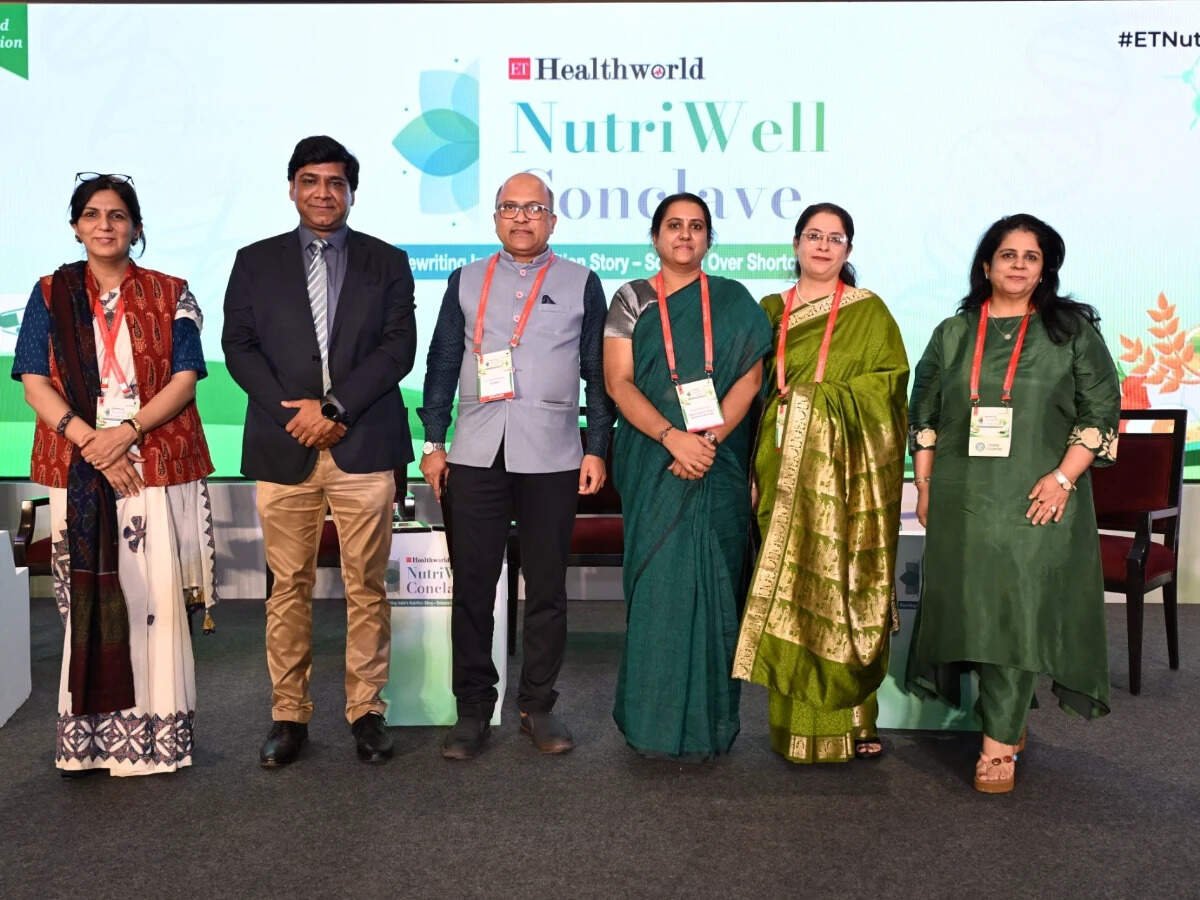
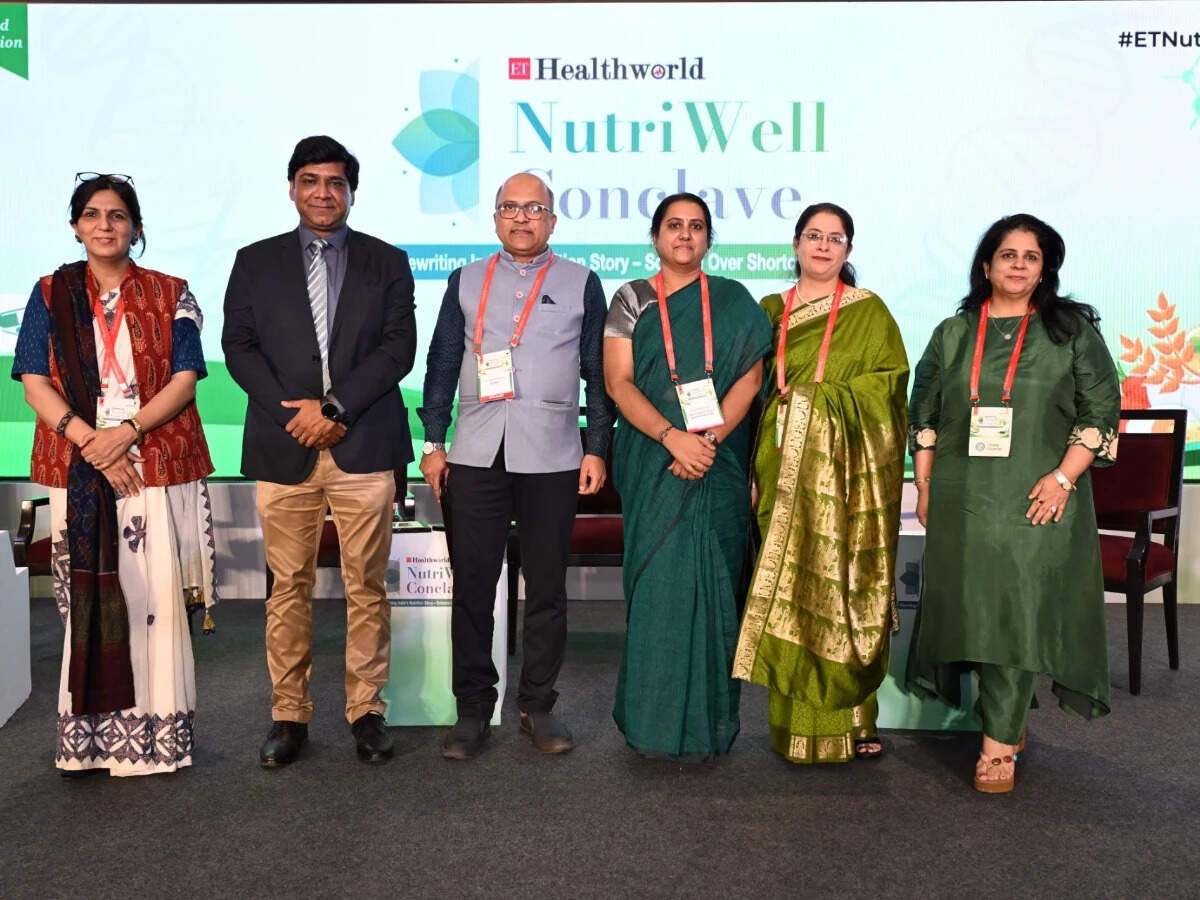
At the ETHealthworld Nutriwell Conclave 2026, the panel discussion, “The New Nutrition Equation: AI, Food Innovation and the Changing Indian Consumer,” explored how technology, scientific research and evolving consumer preferences are transforming India’s nutrition landscape.
Dr. Mona Duggal, Scientist G & Director, ICMR National Institute for Research in Digital Health, highlighted the potential of digital tools in addressing nutritional challenges across rural and urban populations. She emphasised integrating public and private sector data to develop accessible, population-specific nutritional interventions.
Dr. Ganesh Bagler, Head and Professor, Computational Biology, IIIT-Delhi, discussed computational gastronomy and its potential to combine traditional culinary knowledge with data-driven food science. He highlighted how AI could help develop culturally relevant, nutritious recipes, subject to further validation.
Dr. Naval Kishore Vikram, Professor of Medicine and Head, Medicine Unit 2, AIIMS New Delhi, emphasised AI-enabled dietary monitoring for early identification of metabolic risks. He also cautioned against excessive focus on individual nutrients, particularly protein, advocating a food-first approach.
Ruchika Jain, Chief Dietician, Fortis Vasant Kunj, stressed that digital nutrition tools cannot replace personalised clinical assessments. She highlighted the importance of balanced diets, professional guidance and addressing nutritional misinformation.
Shilpa Wadhwa, Head, Nutrition, Health and Wellness, Nestlé India Limited, discussed AI-driven consumer insights, responsible product reformulation and evidence-based marketing, emphasising the need to balance nutritional quality with taste and consumer acceptance.
Moderated by Pratibha Raju, Associate Editor, ETHealthworld, the discussion reinforced the importance of combining technological innovation with scientific evidence, clinical expertise and responsible industry practices.
Key takeaways:
- Leverage AI for personalised nutrition and early risk identification.
- Combine traditional culinary knowledge with modern food science.
- Prioritise balanced diets over individual nutrient trends.
- Ensure inclusive access to digital nutrition solutions.
- Promote evidence-based food innovation and responsible marketing.