








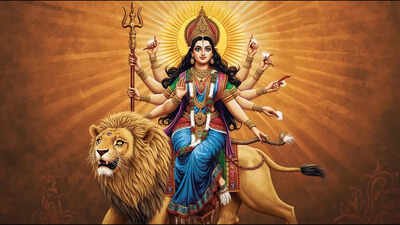
Families across India have been asking the same question this week: do the nine days begin on Saturday night or Sunday morning? The short answer is Sunday. As per the Hindu Panchang, Sharad Navratri 2026 will begin on 11 October, and Ghatasthapana (Kalash Sthapana) will be performed that morning. The festival will close with Vijayadashami (Dussehra) on Tuesday, 20 October.
Why the Confusion Started
The trouble lies in the clock. In New Delhi, Pratipada Tithi will begin at 9:19 pm on Saturday, 10 October. But Ghatasthapana is a daytime ritual, and it has to be done while Pratipada is active. At 9:19 pm on Saturday, no daylight remains.Pratipada will then continue through the whole of Sunday and end at 9:30 pm on 11 October. That makes Sunday morning the correct and only practical choice. Saturday, 10 October, is Mahalaya Amavasya, the day Pitru Paksha ends, and many households will offer prayers to their ancestors that day before Navratri begins.
The Muhurat for Kalash Sthapana
For Delhi, priests will advise the main window from 6:19 am to 10:12 am on 11 October. A shorter Abhijit Muhurat will follow from 11:44 am to 12:31 pm, and it suits families who cannot be ready by mid-morning. Timings will vary by a few minutes in other cities, so a local Panchang is the safest guide.How the Tithis Will Move Through the WeekNavratri follows tithis, not calendar dates, and tithis rarely start at sunrise. The Delhi timings read like this.Dwitiya will begin at 9:31 pm on 11 October and end at 10:13 pm on 12 October. Tritiya will run from 10:13 pm on 12 October to 11:28 pm on 13 October, and Chaturthi from 11:28 pm that night to 1:13 am on 15 October. Panchami will take over until 3:25 am on 16 October. Shashthi will follow and end at 5:54 am on 17 October.Saptami will then begin at 5:54 am on 17 October and last until about 8:27 am on 18 October. Ashtami will start right after and run until 10:51 am on 19 October. Navami will begin at that point and end at 12:50 pm on 20 October, when Dashami starts. Dashami will continue until 2:11 pm on 21 October.
What That Means for Each Day
Most households follow the tithi that is active at sunrise. On that basis, Maa Shailputri will be worshipped on Sunday, 11 October, and Maa Brahmacharini on Monday, 12 October. Maa Chandraghanta will follow on 13 October, Maa Kushmanda on 14 October, Maa Skandamata on 15 October and Maa Katyayani on 16 October. Saturday, 17 October, belongs to Maa Kalaratri.Here the calendar bends. Saptami will be active at sunrise on both 17 and 18 October, so some panchangs will repeat the day and treat the festival as a ten-day one. Others will merge days and observe Durga Ashtami and Maha Navami together on 19 October. Both approaches are in use, and neither is wrong. Families should go by the calendar their priest or household tradition follows.
Ashtami, Navami and Dussehra
Kanya Pujan is usually held on Ashtami or Navami, depending on custom. Where the sunrise rule is followed, Maa Mahagauri will be worshipped on 19 October and Maa Siddhidatri on the morning of 20 October. Where the days are combined, both will be marked on 19 October. Navami will end at 12:50 pm on 20 October, so the Navratri Parana and Vijayadashami will both fall on that day.
Practical Advice for Families
A few simple steps can prevent a stressful first morning. Buy the kalash, coconut, mango leaves, barley seeds and flowers a day or two ahead, since markets will be crowded on Saturday. Keep the puja corner clean and the thali ready before sleeping. Begin soon after 6:19 am so the ritual finishes well inside the window.A short list of tithi change times, saved on a phone or stuck to the kitchen door, will help through the middle of the week. That is the stretch where calendars disagree most, and a quick check with a local priest avoids confusion on the day.Those keeping the full fast should plan simple meals of kuttu or singhara flour, sabudana, potato, fruit and milk. People with diabetes, heart conditions or pregnancy should speak to a doctor before fasting for the full period.