








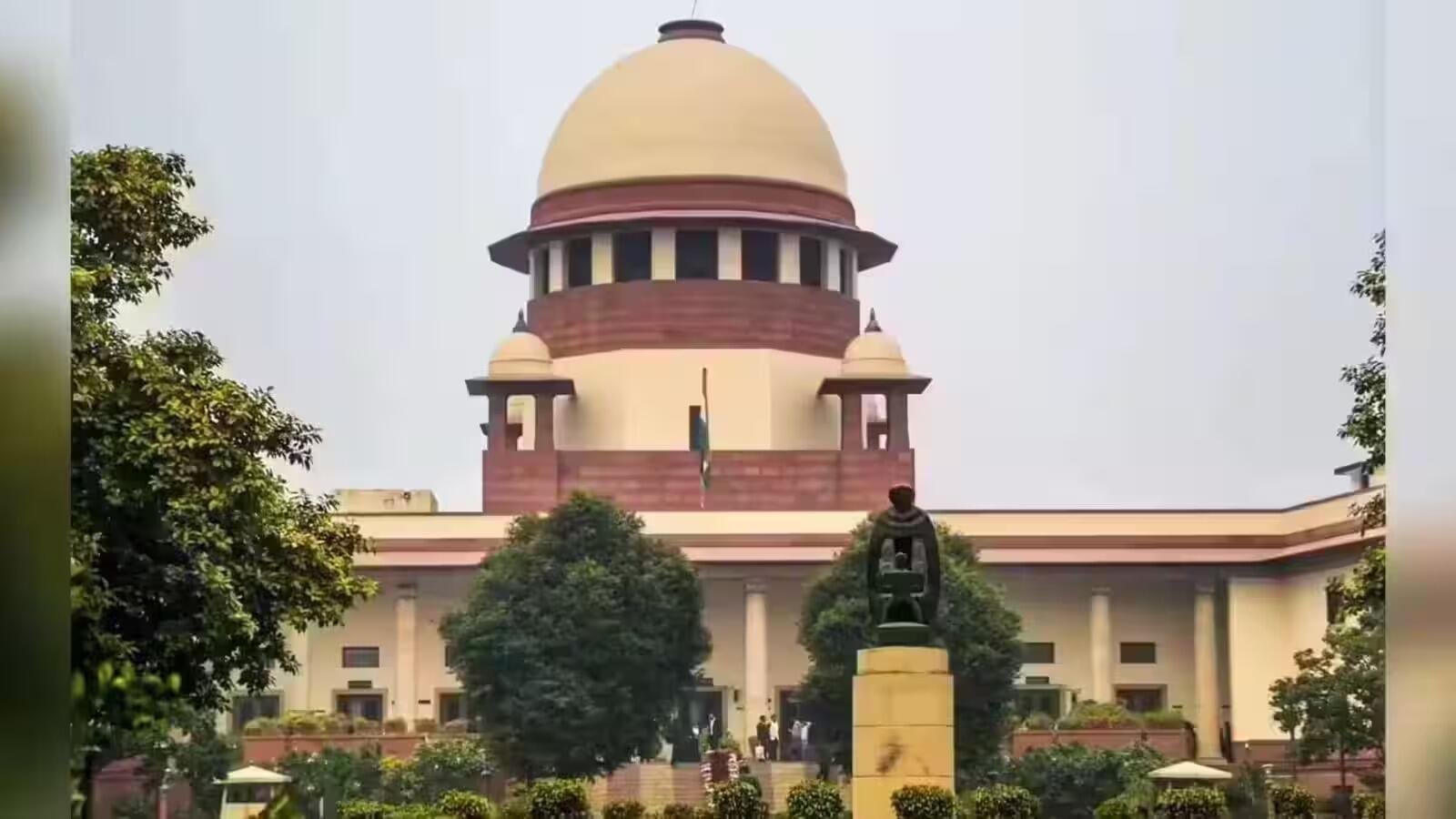
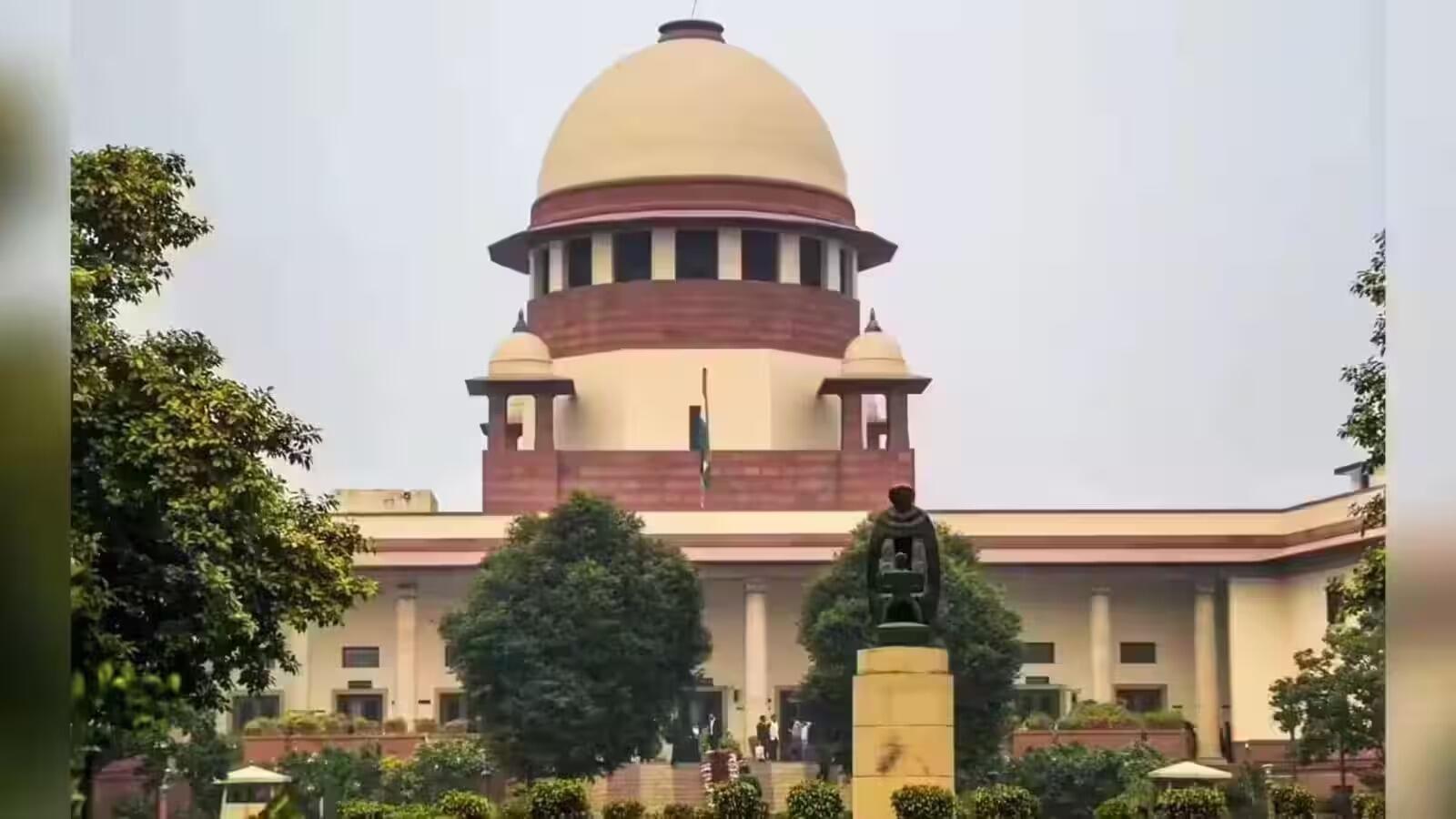
New Delhi, The Supreme Court on Tuesday reserved its verdict on a plea which has raised the issue relating to the procedure of declaring a patient brain dead
A bench of Justices Vikram Nath, Sandeep Mehta and Aparesh Kumar Singh was hearing the petition challenging a June 2017 order of the Kerala High Court.
“Arguments concluded. Judgment/order reserved,” the bench said.
The high court, while hearing a plea filed by Dr S Ganapathy alleging malpractice in declaring a patient to be brain dead, had said it does not propose to proceed further in the matter.
It had taken note of the affidavits filed by the Centre and the Kerala government in the case.
“We hope and trust that the central government and the state government would realise their responsibility in the matter and act accordingly,” the high court had said.
Ganapathy has challenged the high court’s order before the apex court.
During the hearing on Tuesday, Ganapathy, who appeared in person, told the bench about the process of certifying a patient to be brain dead.
Additional Solicitor General Aishwarya Bhati, appearing for the Centre, referred to the National Guidelines on Brain Stem Death Certification, 2026.
Bhati also pointed to a report filed by an expert committee of the All India Institute of Medical Sciences (AIIMS), New Delhi, in the matter.
While hearing the matter on April 28, the apex court had directed the constitution of an expert committee at the AIIMS to examine the matter and suggest appropriate protocols keeping in view the advancements in medical science.
“Such an exercise would enable the formulation of a robust and reliable regime, thereby dispelling and allaying the concerns expressed by the petitioner, which, at least prima facie, do carry a ring of truth,” the top court had said in its April 28 order.
It had also noted that according to the petitioner, patients admitted to various hospitals in critical condition were being declared brain dead even in cases where the clinical parameters prescribed under the law do not justify such a determination.
“As per the petitioner, such declarations are, at times, made with the underlying intention of facilitating the harvesting of organs for transplantation,” the top court had noted.
Contending that brain death is a condition when there is no supply of blood to the brain, the petitioner had earlier suggested that angiography and an EEG of the brain should be conducted.
The electroencephalogram (EEG) test measures electrical activity in the brain.