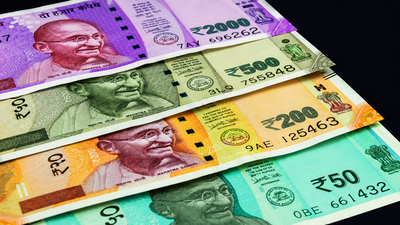









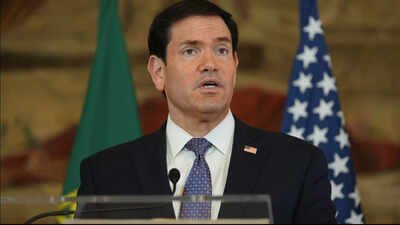
NEW DELHI: US secretary of state Marco Rubio on Monday said that India and the US are close to finalising a trade deal. He also explained the reason behind Washington’s consideration of India energy needs before imposing sanctions or tariffs linked to Russian oil.Speaking to reporters in Samarkand, Uzbekistan, Rubio said the US had waived some sanctions in recent months to limit their impact on global energy supplies and prices.“We’ve had to waive sanctions over the past few months because of the impact on global supplies and prices…We have to manage all of these things.”Explaining how Washington was balancing trade negotiations with India and decisions on sanctions, Rubio said countries had to consider several factors when making foreign policy decisions, including how easily they could access alternative energy sources.“We’re trying to finalise a trade deal with India right now. We’re very close to doing that. That’s one of the things we taken into consideration when the President makes a decision about national security waivers and things of that nature. Every country has a complex set of factors that it has to take into account. Geography is real. For some countries, it’s very difficult to acquire energy from alternative sources. That’s not an excuse, but all of that has to be balanced when making foreign policy…”Rubio is currently in Uzbekistan and is scheduled to visit Mumbai on Tuesday to meet external affairs minister S Jaishankar. He will also travel to Jamnagar later in the week, which is home to one of the world’s largest refineries.
Why the US is taking another look at Russian oil sanctions
Rubio’s remarks come after US President Donald Trump waived several sanctions related to Russian fuel sales that were due to take effect under the Lindsey O. Graham Sanctioning Russia and Iran Act.The law, which has now been paused, would have allowed the US to impose tariffs of up to 100% on goods imported from the five largest buyers of Russian crude oil or natural gas. India and China are among these countries.Rubio said the proposed measures would affect not just Russia but also countries that buy its energy. The US wants to use a 60-day period to study how the sanctions and tariffs could affect the global economy and its own economy.“These sanctions were not just sanctions on Russia. They include tariffs on a number of countries—India, for example, and others. And so I think the president wants to take the 60-day period of time to sort of analyse what imposing both sanctions and tariffs will mean to the global economy and even to the U.S. economy,” Rubio said.He said India had diversified its energy sources but still bought a significant amount of energy from Russia. Switching to other suppliers immediately was not easy, he added.“You’ve got countries like India, for example, that have voluntarily diversified their energy portfolio, but are still getting a substantial amount of energy from Russia because it’s hard to pivot from one day to the next. But they’re also an important ally and partner of the United States. So we need that period of time to sort of study all this and figure out what the right combination is,” he added.
Graham bill and geopolitics
Rubio also said the US was considering changes in the global situation since the Graham bill was passed. He pointed to the growing conflict between Saudi Arabia and the Houthi militia, along with the war between Russia and Ukraine.He said global energy supplies were under pressure because of several factors, including Iran, the Strait of Hormuz, Houthi attacks on Saudi Arabia and damage to energy infrastructure during the Russia-Ukraine war.“I think when the bill was passed, one of the reasons the waivers were put in there is understanding that they would need some period of time to study this, given all the different things that are that are going on in the world right now, including the pressure on global energy supplies that are happening not just because of Iran and not just because of the Straits of Hormuz, but increasingly because of the Houthis attacking Saudi Arabia, and because of the war with Ukraine and Russia, where energy infrastructure is being hit, and so that’s having an impact on global prices as well,” he said.Meanwhile, commerce and industry minister Piyush Goyal last week said that the first part of the agreement had been finalised and had moved to the legal drafting stage. “US bilateral trade agreement’s first tranche has been finalised and it is going through final contours, the legal drafting and we hope to be able to finalise that soon and operationalise that once we get the competitive advantage over our peer countries,” Goyal said.